 House hunting
Buying a house without an EU passport: what lenders want to see
Before you bid, have it checked which lenders accept your residence permit and your income.

House hunting · 3 min read
Get your financing and your research into the house ready before you make an offer.
Buying a house in the Netherlands starts with your budget and with research into the property. Once your offer is accepted come the written purchase agreement, the mortgage application and the transfer at the notaris.
Do your research on the house and set your budget before you sign. The contract holds the conditions and the dates you are bound by afterwards.
Your income and the value of the house set the limits on your mortgage. In an ordinary situation you can borrow up to 100% of the value of the house. For the purchase costs, and for any difference with your offer, you need money of your own.
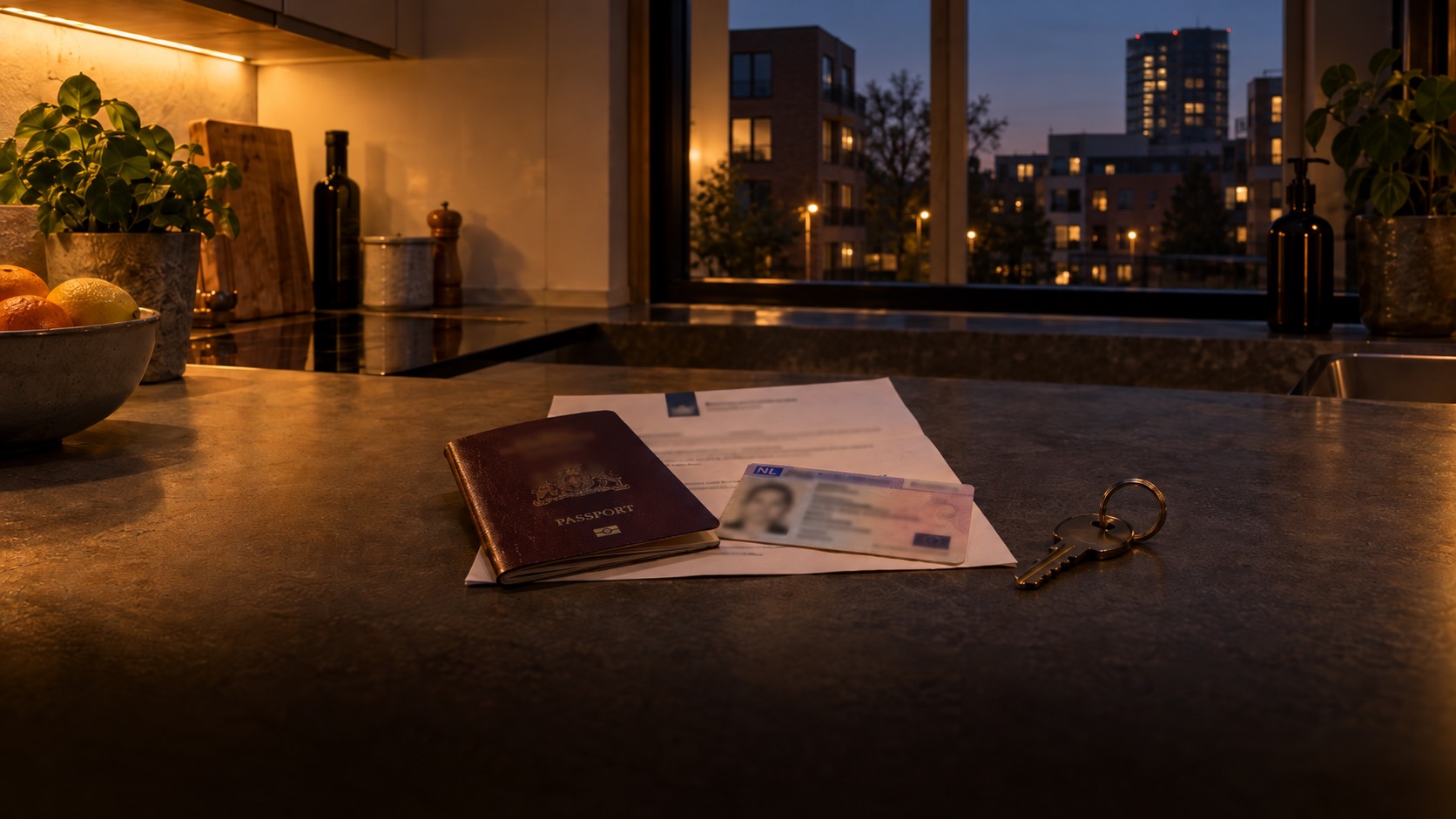
If you have a residence permit, income from abroad or the 30% ruling, take those details to your mortgage adviser. They can call for extra documents. Before you bid, have it confirmed which documents your lender asks for.
Ask how the bidding process works. With sealed bids you usually do not see what other buyers are offering.
Decide which investigations you want carried out before you bid. Agree a survey condition and a financing condition where appropriate, so the contract sets out on which terms you can still withdraw. Record the transfer date and the items left behind as well.
Once both parties have signed, the purchase agreement binds you. As a private buyer you have a statutory cooling-off period. After that, a condition only helps if it was agreed and you meet its requirements.
A financing condition has a deadline and requires substantiation. Miss the deadline and the contractual consequences can be large. So keep the application and the statements you need.
If you miss that deadline, you lose your right to invoke the condition and you are committed to the purchase. If you then fail to complete, the seller can hold you to the penalty in the standard contract. That is usually 10% of the purchase price, after a written notice of default and a period to put things right.
In 2026 transfer tax is usually 2% where you are going to live in the house yourself for a longer period. You may pay nothing, through the first-time buyer exemption, on four conditions:
The amounts apply to transfers in 2026. If your transfer date falls in 2027, check the amounts that apply then with your notaris.
On top of that you pay the notaris, the valuation and the mortgage advice. Compare quotes and set those costs next to your own contribution to the purchase price.
The notaris acts impartially for buyer and seller, checks the transfer, draws up the deeds and arranges the payment and the registration. Once the deed of transfer is registered at the Land Registry you are the legal owner.
Ask in advance for an explanation you understand. Discuss whether an interpreter is needed. Read the draft documents beforehand and put your questions before the appointment.
Checked on September 23, 2026. Livio provides information, not personal advice. Ask your adviser, notary or estate agent what applies to you.
House huntingBefore you bid, have it checked which lenders accept your residence permit and your income.
 Phase 2
Check which gross income the lender uses, and how your net income changes once the ruling ends.
 Phase 1
The statutory cooling-off period gives a private buyer a short window to withdraw without giving a reason.