 House hunting
AI photos on Funda: what to check before you bid
Where photos have been edited, ask for images of the current state and check what is actually there when you view the house.
Start here
House hunting
Where photos have been edited, ask for images of the current state and check what is actually there when you view the house.
Pick your stage. You get articles that fit your situation.
After at most two follow-up questions you open your route with your email address. No account needed.
Setting your budget, viewing and bidding, before there is a purchase agreement.
House huntingWhere photos have been edited, ask for images of the current state and check what is actually there when you view the house.
 House hunting
Ask what is changing in the bidding process before you raise your figure or drop a condition.
 House hunting
Compare the bidding log with your own offer and the procedure that was announced, to see how the bids were recorded.
 House hunting
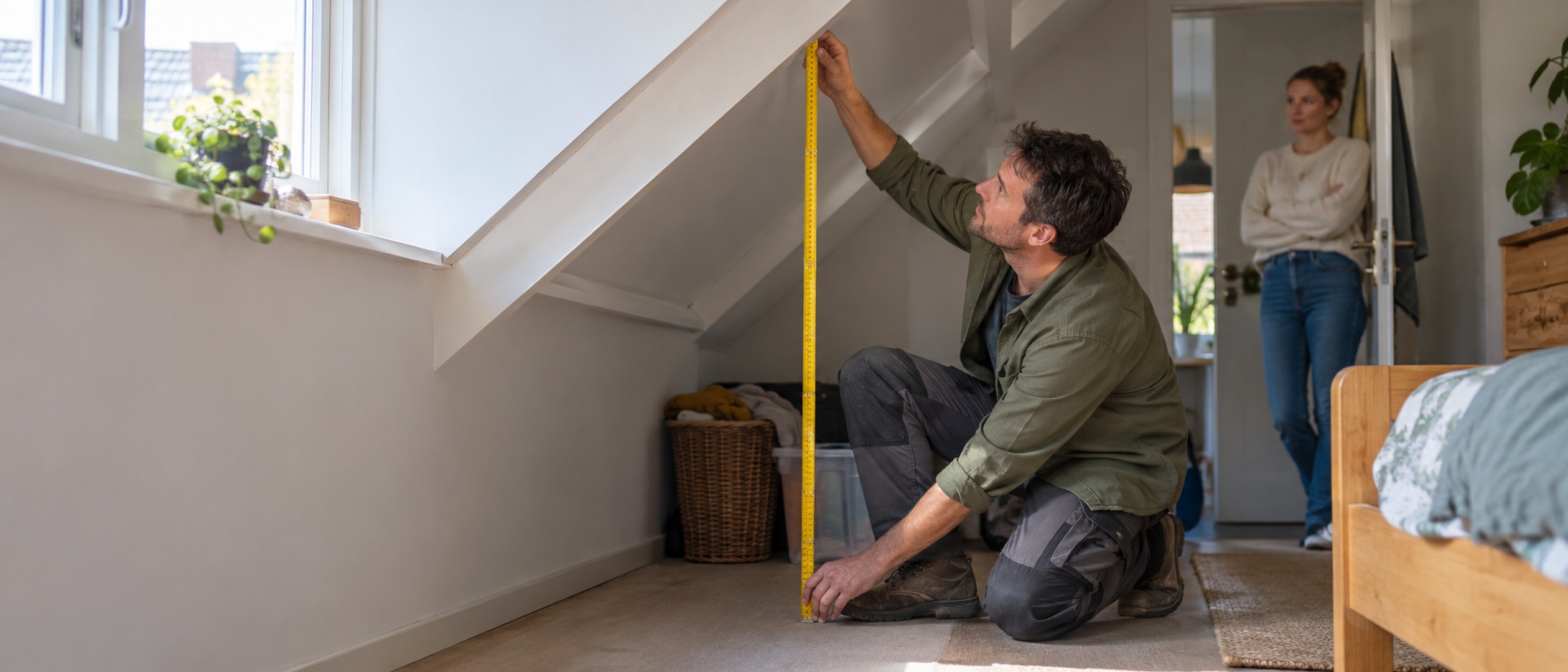
If you doubt the floor area, ask for the measurement report and first establish where the difference comes from.
 House hunting
Write down what you think went wrong and what you want put right before you send your complaint.
 House hunting
Net metering ends on 1 January 2027. After that, your own electricity use and energy contract determine what the panels save you.
 House hunting
Get your financing and your research into the house ready before you make an offer.
 House hunting
Check before you bid which transfer tax you pay and whether you meet the four conditions for the first-time buyer exemption.
 House hunting
Before you bid, have it checked which lenders accept your residence permit and your income.
 House hunting
Agree who owns what and who pays what, and have both incomes and both sets of documents assessed.
 House hunting
Get your budget and your research ready, and after an accepted offer plan around your contract dates.
 House hunting
Choose your search area on budget and daily life, then research the house you want to bid on.
 House hunting
First see whether the house suits you, then note which parts need looking into further.
 House hunting
Check the label and the report to judge your borrowing room and the improvements worth investigating.
 House hunting
Look at the maintenance, the money and the arrangements for the building before you make an offer.
 House hunting
Compare recent sales and explain the differences before you attach a value to the house.
 House hunting
Settle the value of the house, your financial room and your own maximum before you choose the bid.
 House hunting
Use the regional figures as background and base your bid on the house, your financing and your own maximum.
Getting the paperwork done, then you can breathe.
 Phase 1
The statutory cooling-off period gives a private buyer a short window to withdraw without giving a reason.
 Phase 1
Check what is being built, which choices are needed early, and what you pay during construction.
 Phase 1
Once you sign, the notaris, the cooling-off period, the survey, the financing and the deposit follow one another, usually in the same order. This is what you do at each point.
 Phase 1
Receiving the signed purchase agreement is what starts your cooling-off period.
 Phase 1
Request quotes in good time and compare the work included, the contact and the availability.
 Phase 1
Put the contract next to your offer and check the amounts, the conditions, the fittings and the dates.
Adviser, valuer and bank, plus arranging your move.
 Phase 2
Match your energy improvement plans to what you can borrow, and only count on an ISDE subsidy once it has been awarded.
 Phase 2
The property value limit for 2027 is confirmed. Tax proposals and borrowing figures still to be published will need another check later.
 Phase 2
Check which gross income the lender uses, and how your net income changes once the ruling ends.
 Phase 2
Your maximum mortgage in 2026 depends on your income and the value of the home, and the energy label can add extra room.
 Phase 2
Only count on a starter loan in your offer if it is available at that moment for the municipality the home is in.
 Phase 2
Ask before you bid which documents your mortgage application needs, and time the gathering to their validity and their delivery.
 Phase 2
Look up the grounds, the deadlines and the paperwork before you ever need to invoke a condition.
 Phase 2
Time the survey so the report reaches you before the date by which you have to make up your mind about the purchase.
 Phase 2
Weigh the one-off NHG fee, the mortgage conditions and the safety net if you cannot keep up payments.
 Phase 2
Check all four conditions before you budget without transfer tax.
 Phase 2
The valuation figure counts towards your mortgage and can decide how much you add from your own money.
The transfer: deeds, your own funds and the signature.
 Phase 3
You choose how long your rate stays the same and when you pick a percentage again at whatever rate applies then.
 Phase 3
If the valuation comes in under your bid, your mortgage does not cover the whole purchase price and you pay the rest yourself.
 Phase 3
Weigh the possible tax saving against all the conditions and the costs of a different transfer date.
 Phase 3
The notaris checks the transfer, handles the payment and registers the deed at the Land Registry.
 Phase 3
You either tie up some of your own money with the notaris for a while, or you pay for a guarantee from the bank and keep your savings free.
 Phase 3
Match the cover to the transfer, your mortgage conditions and any renovation.
 Phase 3
In 2026, count on €4,200 to €6,900 of basic costs, plus any transfer tax, the part of the price your mortgage does not cover, and a buffer for after the keys.
 Phase 3
Put the statement next to your purchase agreement, your mortgage offer and your notaris quote before you pay.
 Phase 3
After the handover of a new-build home, 5% of the build price stays with the notaris as leverage to get defects put right.
Handover, meter readings and the keys are yours.
 Phase 4
Book anything that depends on someone else’s diary eight weeks ahead, register your new address no earlier than four weeks out, and keep handover day as light as you can.
 Phase 4
On transfer day you walk through the house, sign at the notaris and usually get the keys straight away.
 Phase 4
Allow an hour for the final inspection, well before your appointment at the notaris, to compare the house with what was agreed.
Registrations, change of address and the last details.
 Phase 5
Register your address in time, then check your contracts, your documents and the maintenance.
 Phase 5
Get the house ready for daily use, then choose the furniture and the finishes that suit the rooms.
Kitchen, bathroom and flooring: choosing, quotes and planning.
 Renovating
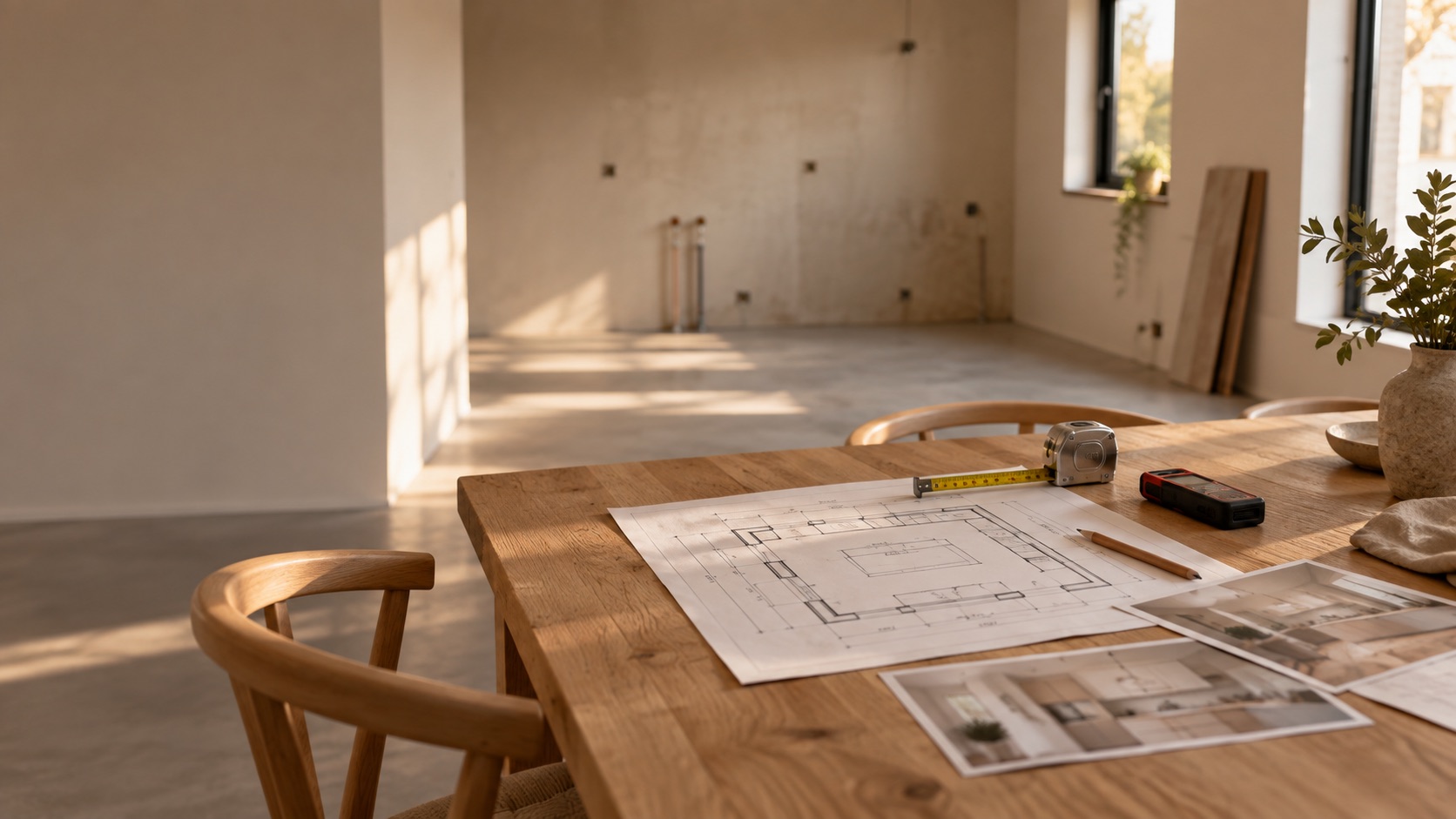
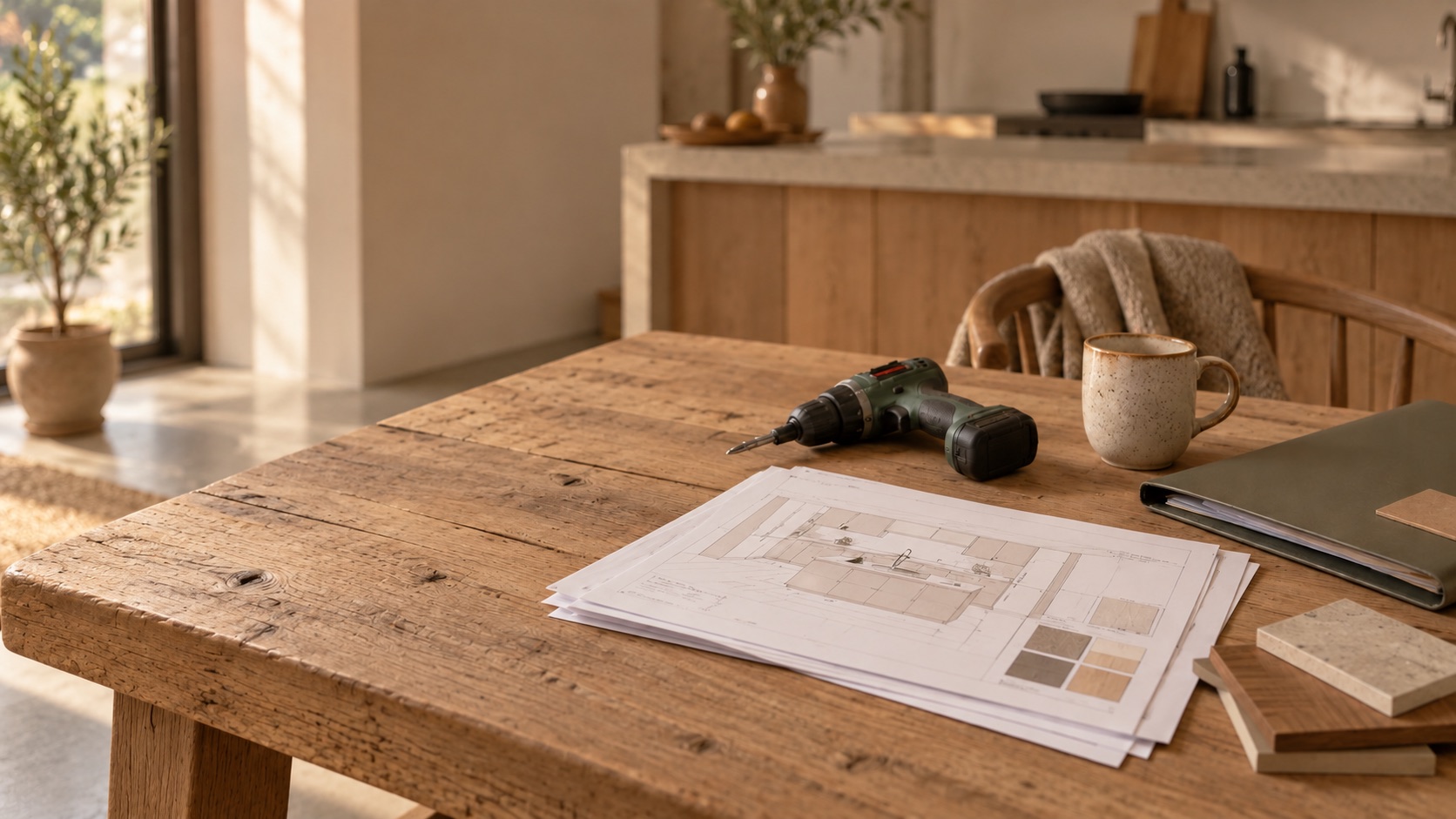
Measure the room and connection points in millimetres from the same corner, then have the measurements checked before ordering.
 Renovating
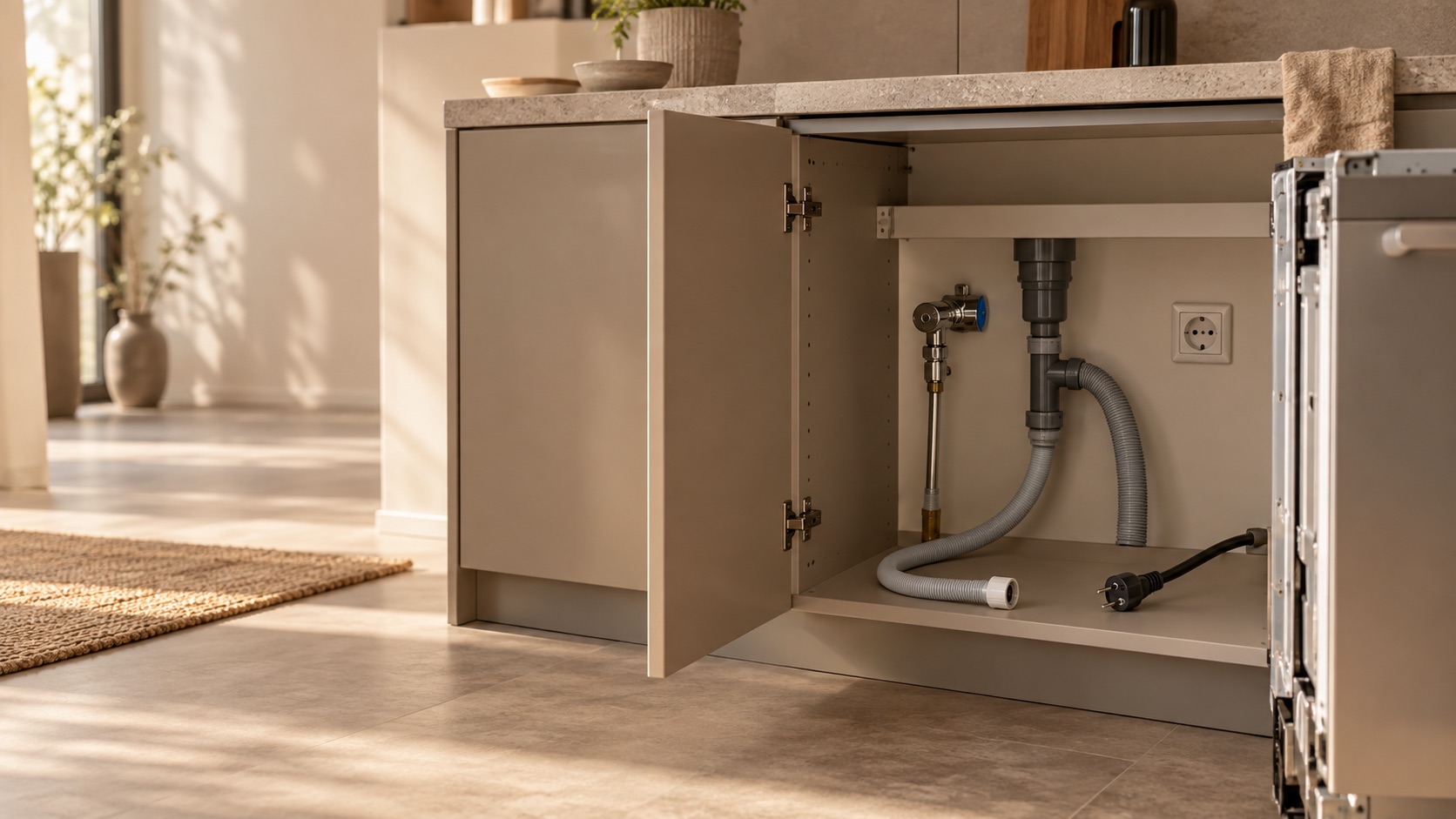
Choose how to fit your kitchen based on the work you want to do yourself, the coordination involved and the arrangements for putting mistakes right.
 Renovating
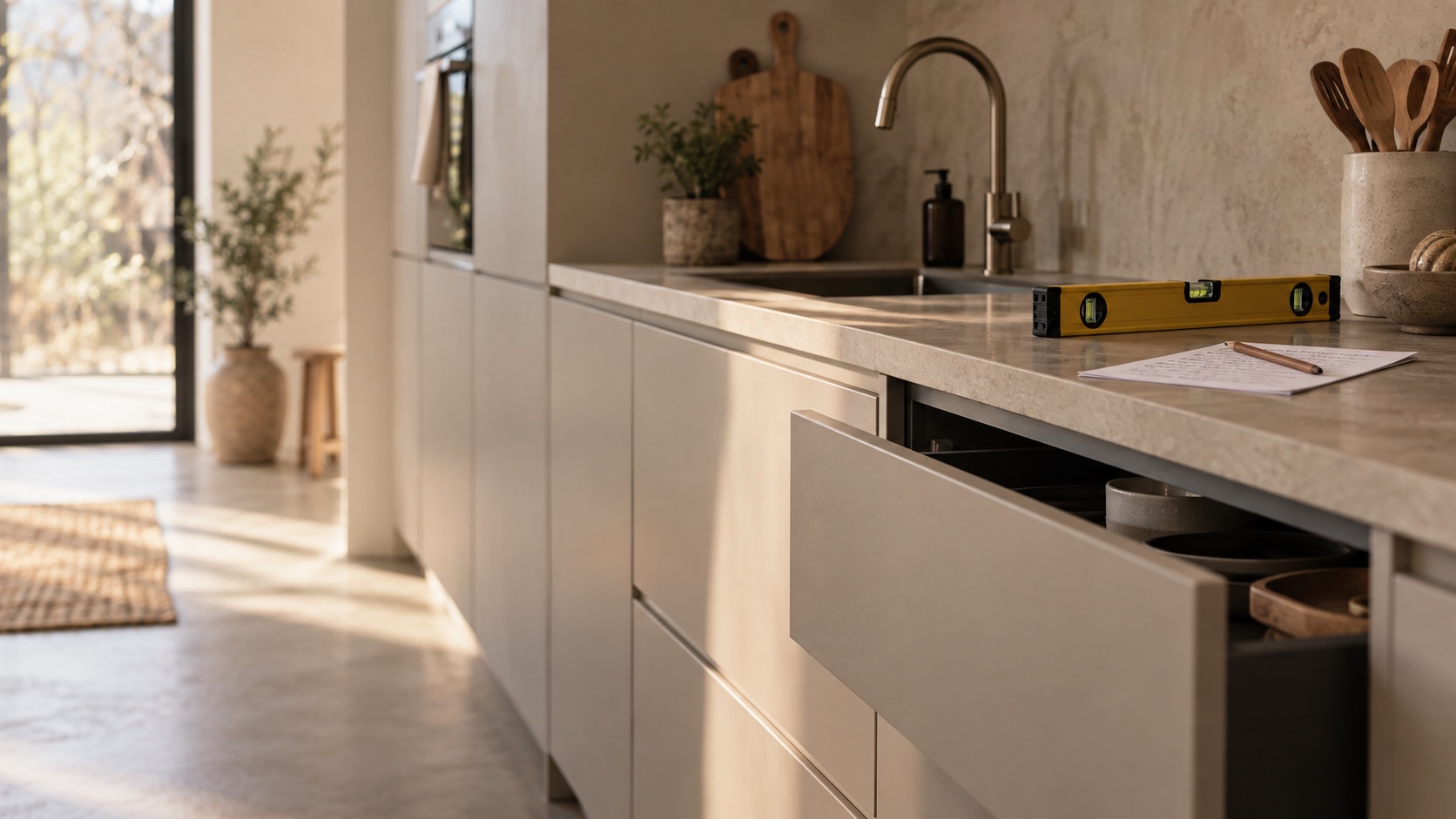
Check each kitchen appliance to see whether the existing connection is suitable or whether the electrics, water or gas supply needs changing.
 Renovating
Check which work the fitting guarantee covers and record any defects at handover.
 Renovating
Bring your floor plan, photos and a description of your everyday kitchen habits so the designer can work out a layout that suits you.
 Renovating
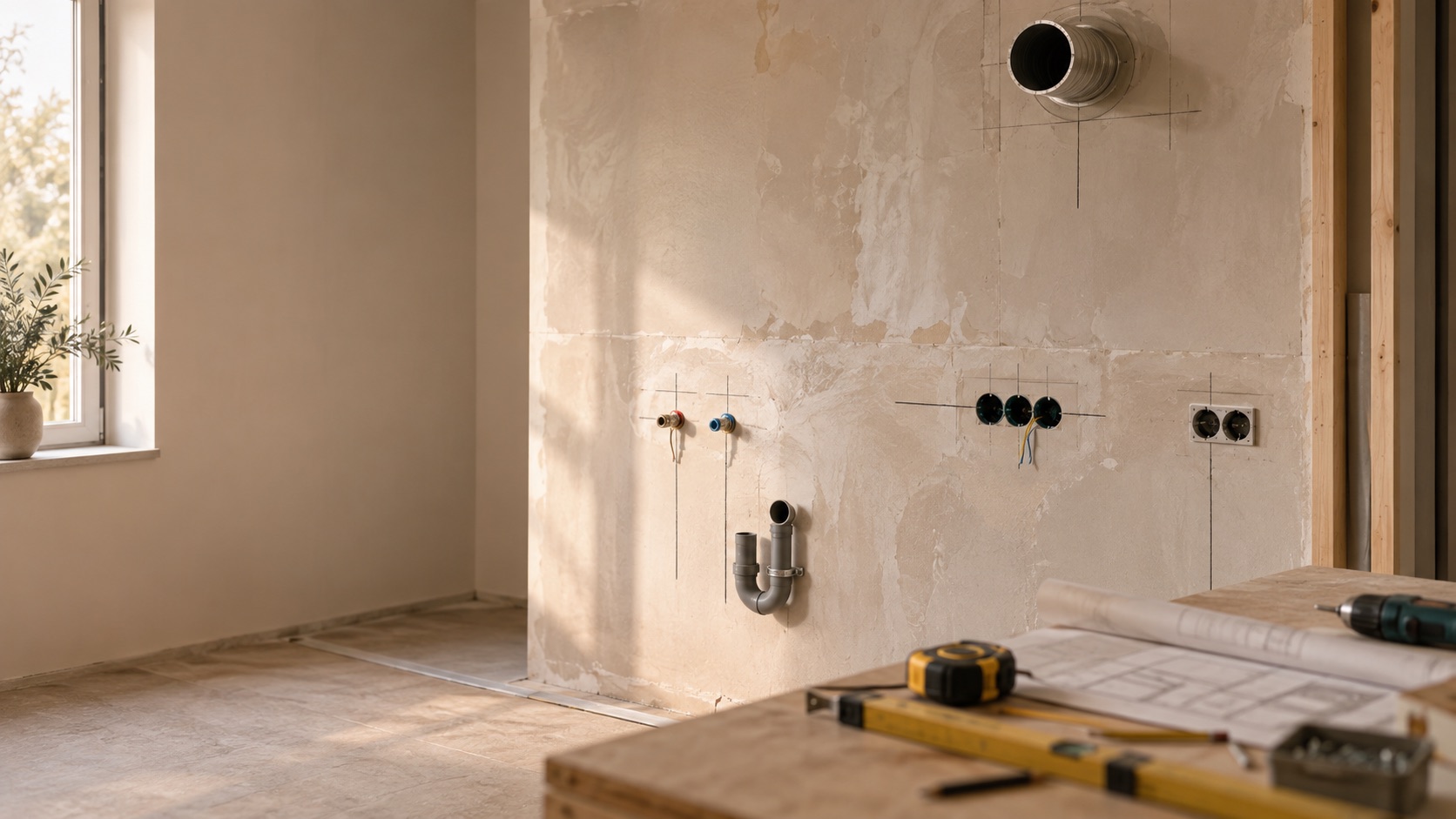
Have the kitchen delivered to a dry, lockable room and allow time to check it between delivery and fitting.
 Renovating
Check drainage, extraction and electrics before finalising a new kitchen layout.
 Renovating
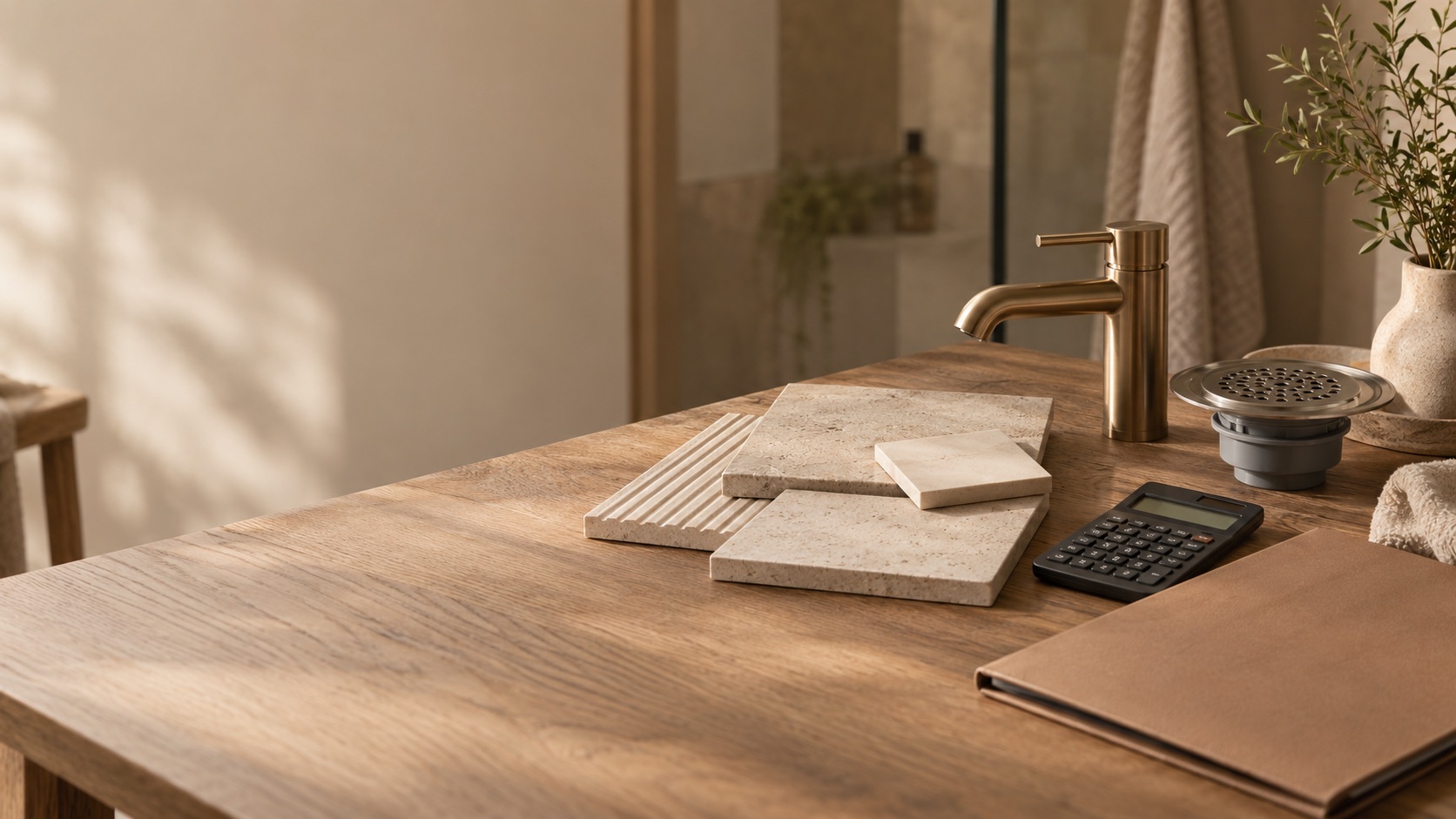
Budget for each part of your bathroom and check whether every price includes labour, materials and VAT.
 Renovating
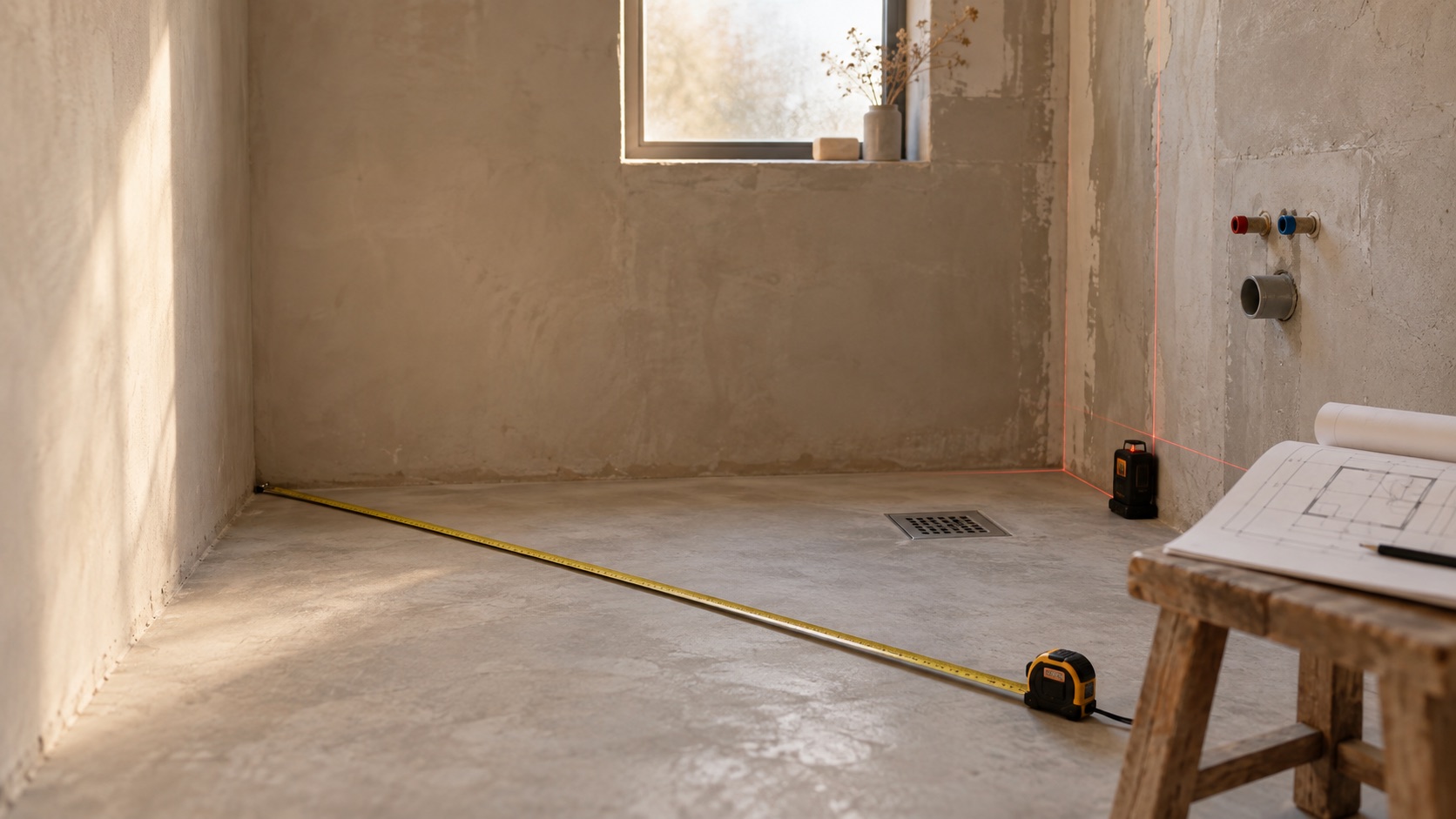
Measure the whole bathroom for your design and have a professional check the final dimensions before you order.
 Renovating
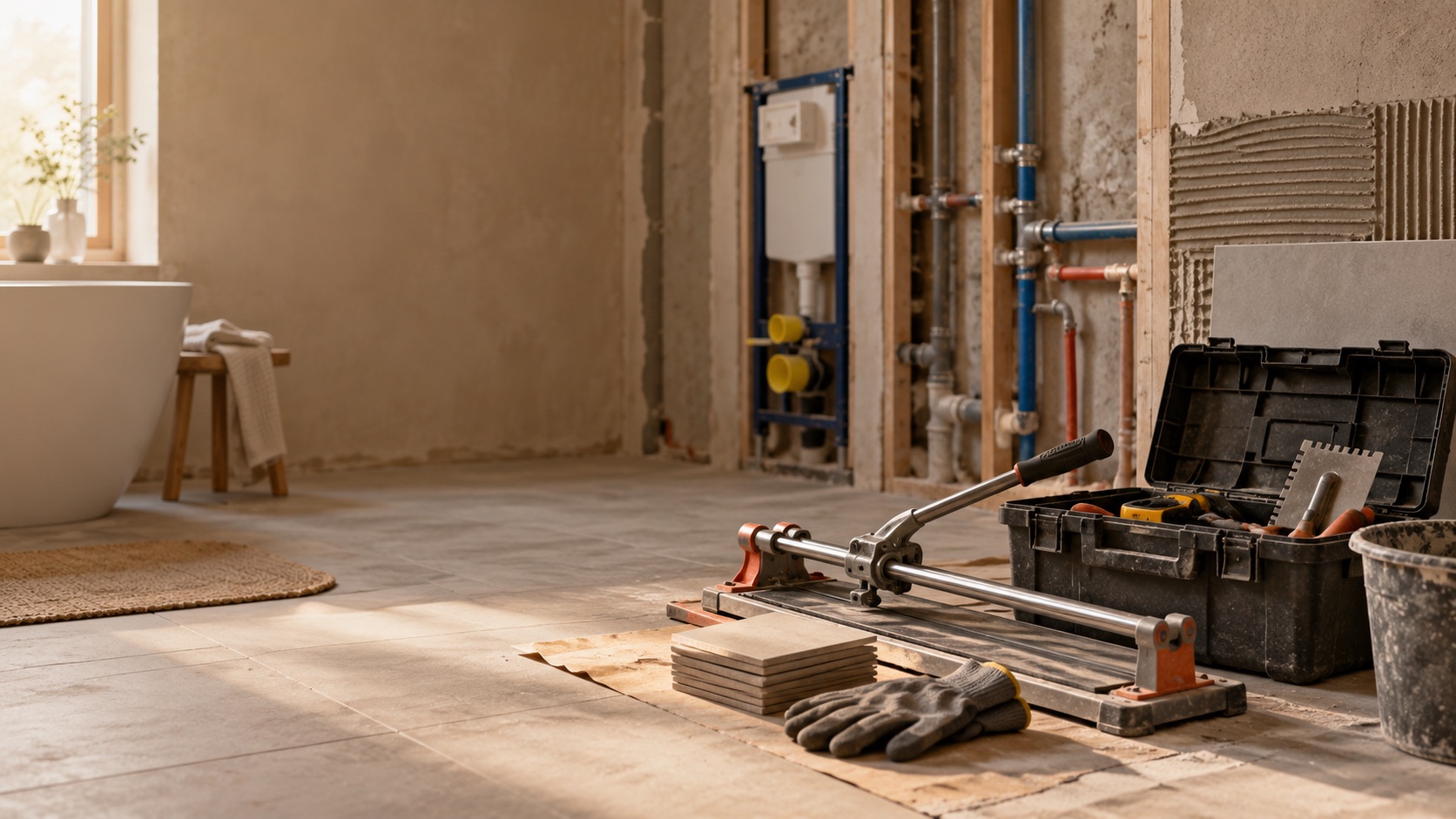
Divide the bathroom jobs according to your experience, available time and the consequences of a mistake.
 Renovating
Compare the sanitaryware and fitting with all the preparation and repair work the room needs.
 Renovating
Check the delivery, work area and connections before bathroom fitting begins.
 Renovating
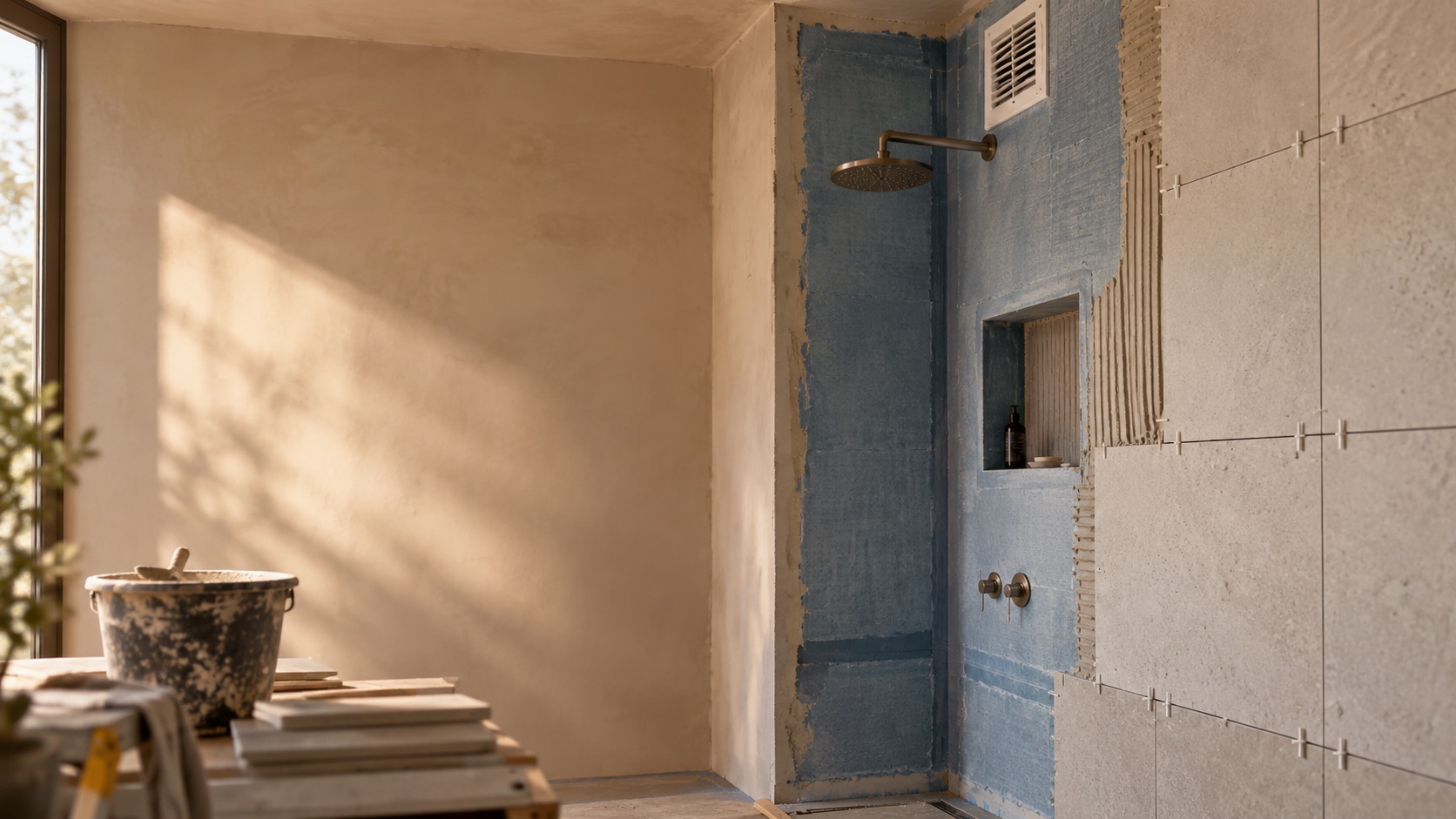
Before tiling, discuss how the waterproofing, surfaces and ventilation will be dealt with in your bathroom.
 Renovating
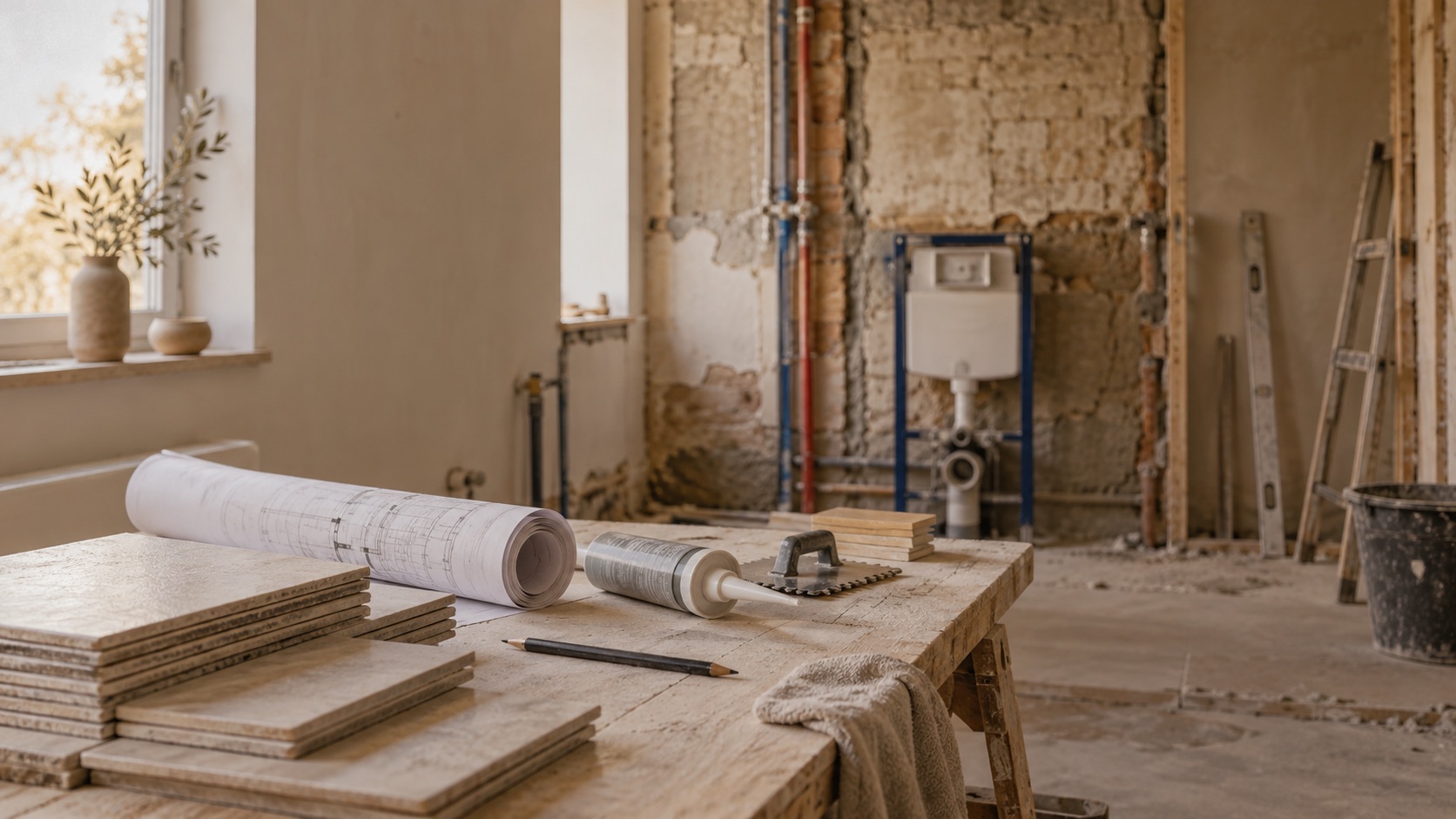
Check the work behind the floor and walls before the tiles and bathroom fittings go in.
 Renovating
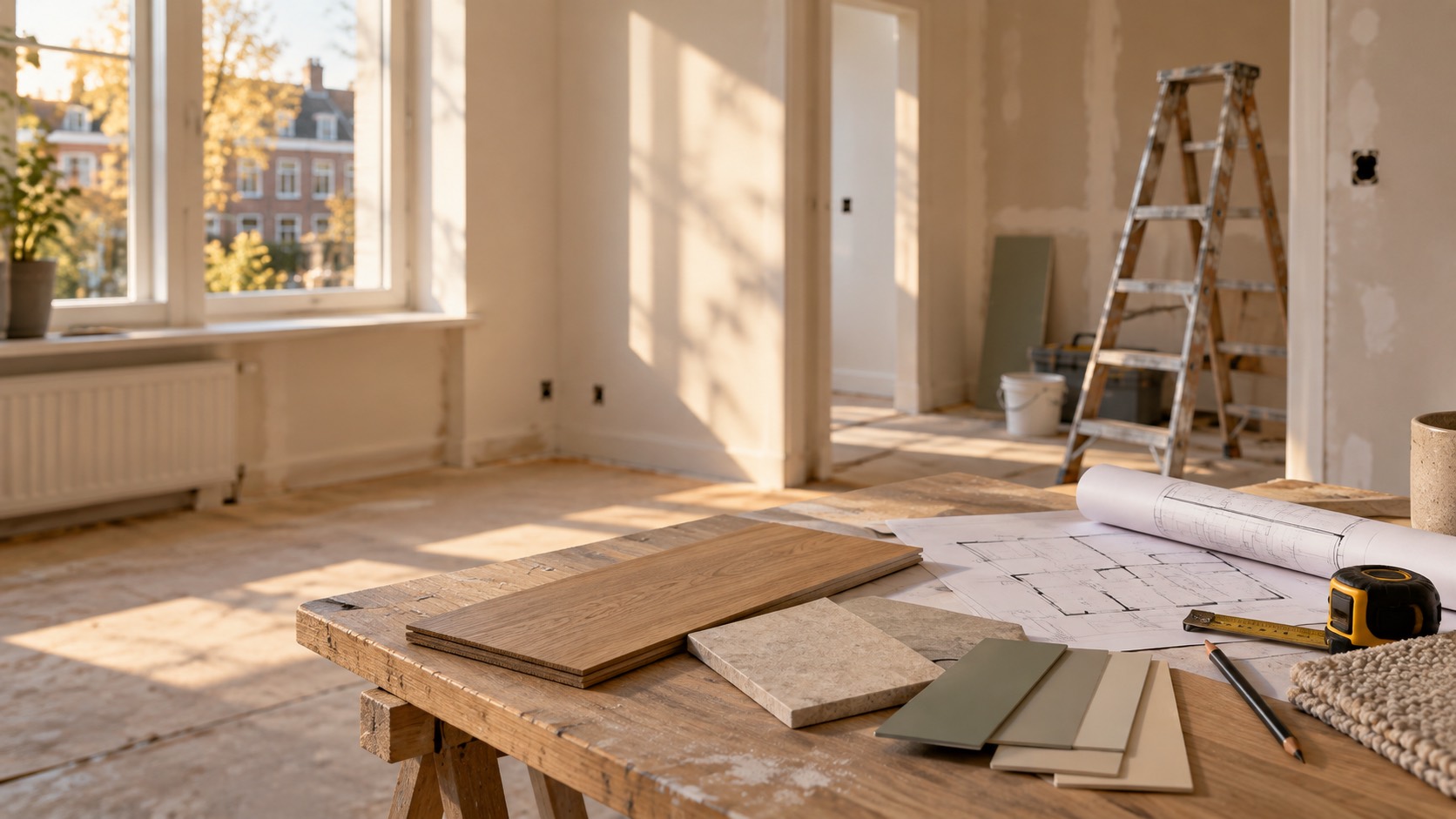
Give dust, pipework and hard-to-reach finishing priority over jobs that can wait.
 Renovating
Set out the work, the order and the budget before you confirm delivery dates and sign anything.
 Renovating
Compare the complete job, including installation, connections and making the room good again.
 Renovating
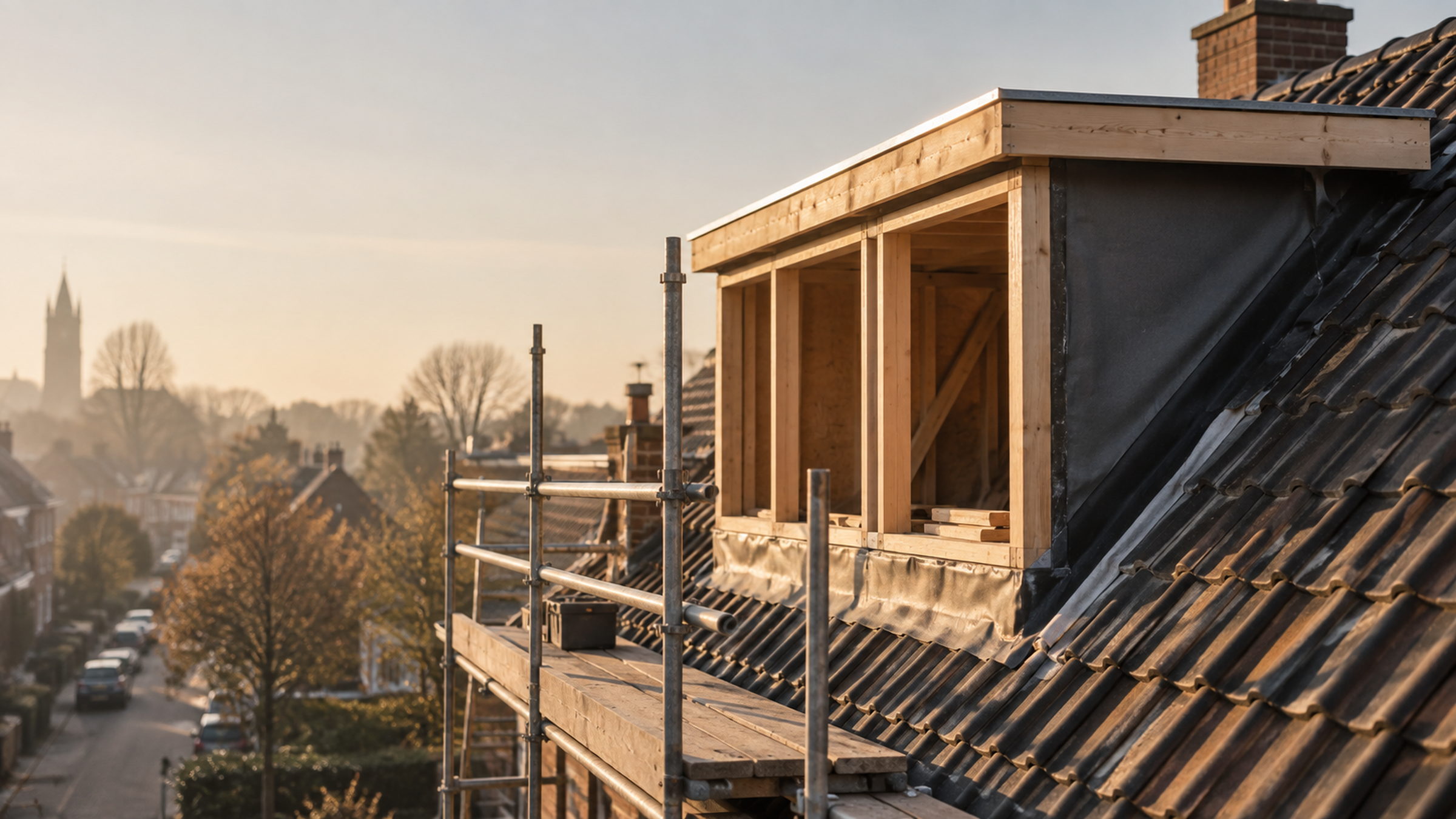
Test your plan against your own address, and keep permits, notifications and other permissions apart.
Short articles about what happens between your first viewing and getting the keys: your budget and mortgage, the offer, the survey, the notary and renovating. They follow the order of the buying process. That way you read what you need now, and leave the rest until it comes up.